Rotted Joist Repair Services Overview
Visitors can learn about Rotted Joist Repair services and compare local contractors who handle this type of work.
- - Residential property owners seeking repairs for damaged or rotted wooden joists in homes or basements.
- - Commercial property managers needing assessments and repairs for building structures affected by wood rot.
- - Contractors and handymen looking to connect with local specialists experienced in joist restoration and replacement.

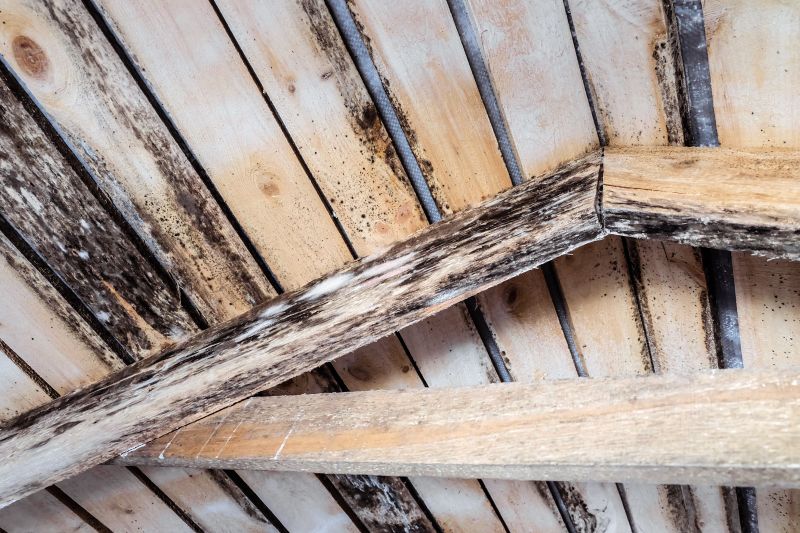
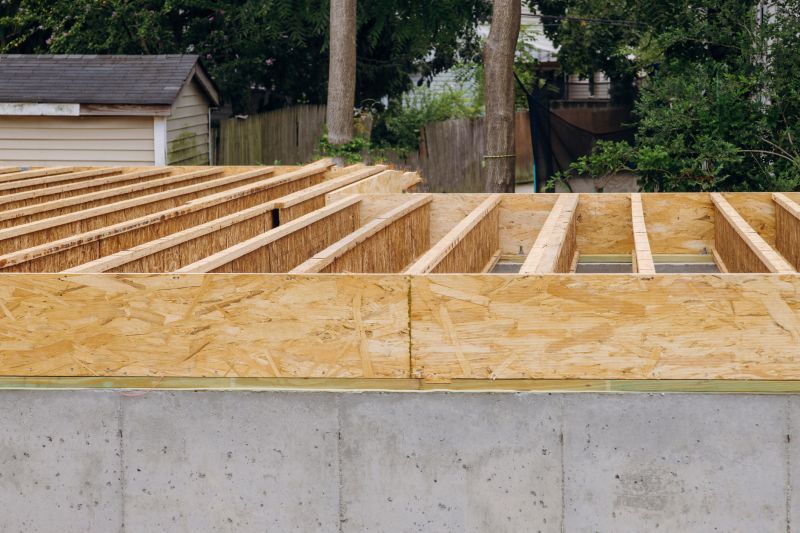
Rotted joist repair is a critical service for maintaining the structural integrity of a building’s flooring system. When wood beams or joists become compromised due to moisture, pests, or age, it can lead to sagging floors, uneven surfaces, and potential safety hazards. Property owners often seek out local contractors who specialize in identifying the extent of wood rot, removing damaged materials, and replacing or reinforcing affected joists to restore stability. These professionals typically assess the condition of the framing, determine the best repair methods, and use appropriate materials to ensure long-lasting results.
Local service providers in this field are experienced in handling a variety of situations involving rotted joists, whether caused by leaks, poor drainage, or wood decay over time. They work with homeowners and business owners to provide practical solutions that address the specific needs of each property. By connecting with qualified local contractors, clients can find the right expertise to carry out repairs efficiently and effectively, helping to safeguard the structural soundness of their buildings.
This guide provides helpful information to understand the process of rotted joist repair and what to consider before hiring a service provider. It assists in comparing local contractors and understanding the basics of the work involved. The goal is to help visitors make informed decisions when connecting with trusted local service providers.